


Podcast: Championing First Nations WomenBY THE GREENER WAY | WEDNESDAY, 28 OCT 2026 10:46AM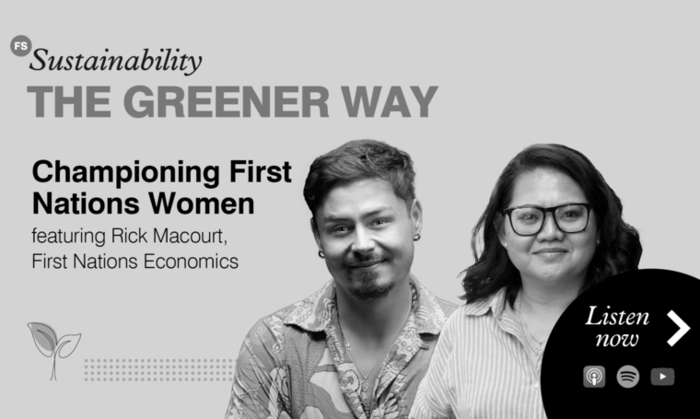
👩🏽🦱 How First Nations women are building economic power for future generations ❓Question: How can investing in First Nations women help close Australia's prosperity gap and create stronger communities, businesses and future leaders? ✅ Answer: According to Rick Macourt, founder and managing director of First Nations Economics, First Nations women are often the backbone of their families, communities and local economies, making them critical drivers of long-term social and economic change. Macourt says one of the biggest lessons has been the importance of trust. Through programs such as the Leah Armstrong Scholarship, recipients receive flexible support that allows them to decide what they need most to succeed, whether that's childcare, living expenses, technology or study costs. The approach shifts decision-making power to the women themselves rather than imposing rigid funding rules. As Australia undergoes a major economic transformation through the clean energy transition, Macourt believes First Nations women are well positioned to play a greater role in shaping sustainable businesses, community development and future investment opportunities. He argues that empowering women today helps build stronger families, communities and intergenerational prosperity tomorrow. Key insights: 🌟 First Nations women are often key decision-makers within families and communities. 🌟 Ngarimili was designed to support women throughout multiple stages of life and career development. 🌟 Flexible scholarship funding gives recipients greater control over their own success. 🌟 Financial literacy and entrepreneurship are powerful tools for economic empowerment. 🌟 Investing in women can create benefits that extend across entire communities. 🌟 The renewable energy transition could create new opportunities for First Nations women leaders and entrepreneurs. 🚩 Risks: 🚩 Structural barriers continue to limit educational and economic opportunities. 🚩 Short-term funding models can restrict long-term impact. 🚩 Overly prescriptive scholarship programs may fail to meet recipients' real needs. 🚩 Economic gaps can persist across generations without targeted support. 🚩 Major economic transitions may overlook First Nations voices and leadership. ⚠️ Things to watch: ⚠️ Growing demand for programs designed specifically for First Nations women. ⚠️ New approaches to financial wellbeing and economic self-determination. ⚠️ Increasing focus on entrepreneurship and leadership development. ⚠️ Emerging opportunities linked to the clean energy transition. ⚠️ Greater recognition of First Nations women as drivers of community prosperity. 💡 Why it matters: Closing the First Nations prosperity gap requires more than policy change. It requires investment in the people already creating change within their communities. By supporting First Nations women through education, financial empowerment and leadership opportunities, organisations can help create lasting economic benefits that flow across generations. 🎙️ Sources: Rick Macourt - founder and managing director, First Nations Economics Michelle Baltazar - Host, The Greener Way ⏱️ Timestamps: 00:31 - Why empowering First Nations women matters 01:39 - Understanding the prosperity gap 03:25 - The story behind First Nations Economics 04:38 - Why women are central to community prosperity 05:13 - Introducing the Ngarimili ecosystem 06:25 - Supporting entrepreneurship and leadership 07:43 - Lessons from scholarship recipients 08:13 - Why trust matters more than red tape 09:04 - Rethinking how scholarships are delivered 10:35 - Financial literacy and economic empowerment 11:31 - Building intergenerational wealth 12:28 - Lessons from Indigenous economic models overseas 13:02 - Opportunities in the clean energy transition 13:34 - Sustainability through a First Nations lens 15:23 - Creating ownership, not dependency 16:00 - Building prosperity for future generations 🌿 We record on Gadigal Land and pay our respects to the traditional custodians of Country and elders past and present. |


Editor's Choice
Blackstone raises $12bn for fifth energy transition fund
Gas transition to take 'decades rather than years': UniSuper
Podcast: Urgent calls for deforestation-free lending
Anti-slavery commissioner calls for smarter due diligence for SMEs
Videos

Whitepapers

Modern slavery in the geopolitical crossfire

What ACCR v Santos means for your climate disclosures

Materiality is not a single judgment: It is a governance system

Roundtable reflections: Is ESG dead?
Expert Feed

Navigating the climate and biodiversity frontier

Embracing complexity for sustainable returns

Australia's social media age ban: A digital turning point for society and investment markets

How economics and energy security are driving the next phase of the energy transition