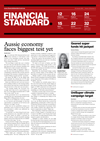




QBE, Suncorp among global insurers exiting coal: Unfriend CoalBY RACHEL ALEMBAKIS | TUESDAY, 3 DEC 2019 8:06PMAustralian insurers QBE and Suncorp are among global insurers and reinsurers withdrawing cover for new coal projects, according to the third annual Unfriend Coal scorecard. Seventeen of the world's biggest insurer have announced they are withdrawing cover for coal project, mines and power plants. That represents 46% of the reinsurance market and 9.5% of the primary insurance market, according to Unfriend Coal. Most insurers refuse to ensure new mines and power plants, while global industry leaders have ended cover for existing coal projects and the companies that operate them, and adopted similar policies for tar sands. QBE and Suncorp announced exit policies this year, while in other Asia Pacific markets, Japanese, Chinese and Korean insurers such as Tokio Marine, SOMPO, Sinosure and Samsung Fire & Marine continue to play a critical role in insuring coal, the report noted. Almost all major European insurers have adopted coal exit policies. However, most specialty insurers on |


Editor's Choice
Robeco launches Global Climate Leaders Tilt Indices
Robeco has launched new Global Climate Leaders Tilt Indices, which will draw on a number of Robeco's proprietary sustainability and investment intellectual property (IP) to identify future transition leaders and avoid potential laggards.
Energy underinvestment creates new investment case: Datt Capital
More than a decade of underinvestment in global energy supply is creating a structural deficit that could reshape returns across the sector, according to Datt Capital chief investment officer Emanuel Datt.
Minderoo backs early childhood development in WA
The Minderoo Foundation, backed by Andrew and Nicola Forrest's private investment group Tattarang, has partnered with the City of Kwinana in Western Australia to transform early childhood development outcomes.
Underpaid migrants a systemic modern slavery indicator: MJI
A report by Migrant Justice Institute (MJI) said underpaid migrant workers point to a more systematic issue, which can lead to practices that are indicators of modern slavery.
Videos
Brought to you by ![]()

Further Reading
Whitepapers

Roundtable reflections: Is ESG dead?
"Is ESG dead?" we asked at our recent Responsible Investors (RI) roundtable in May this year. Short answer: no.
AI-washing and cyber-washing
Key legal and regulatory enforcement risks for Australian organisations.

Is there an ethical way to play AI?
Balancing innovation and sustainability in one of the most compelling investment themes of our time.

ESG implications of the US-Iran conflict
The US-Iran conflict is doing more than lifting oil prices. It is reshaping the ESG realm through energy security, food inflation, health risks and national ...
Expert Feed

How economics and energy security are driving the next phase of the energy transition
Looking ahead, the next phase of the energy transition will be defined by practical system build-out rather than headline climate commitments.

Sustainability in 2025: Building resilience and navigating risks
In 2025, there is likely to be much scrutiny around US President Donald Trump's anti-green agenda in particular.

Balancing Investor expectations with entrepreneurial growth
Recent headlines highlighting corporate management shortfalls in companies led by their founders underscore the need for rigorous governance standards.

Avoiding the carbon budget risk
While many financial institutions have made public net zero commitments, how can we know whether these goals really amount to action on climate change?

ACCESS MORE CONTENT
Financial Standard
Australia's most-read trade publication for wealth management professionals.